
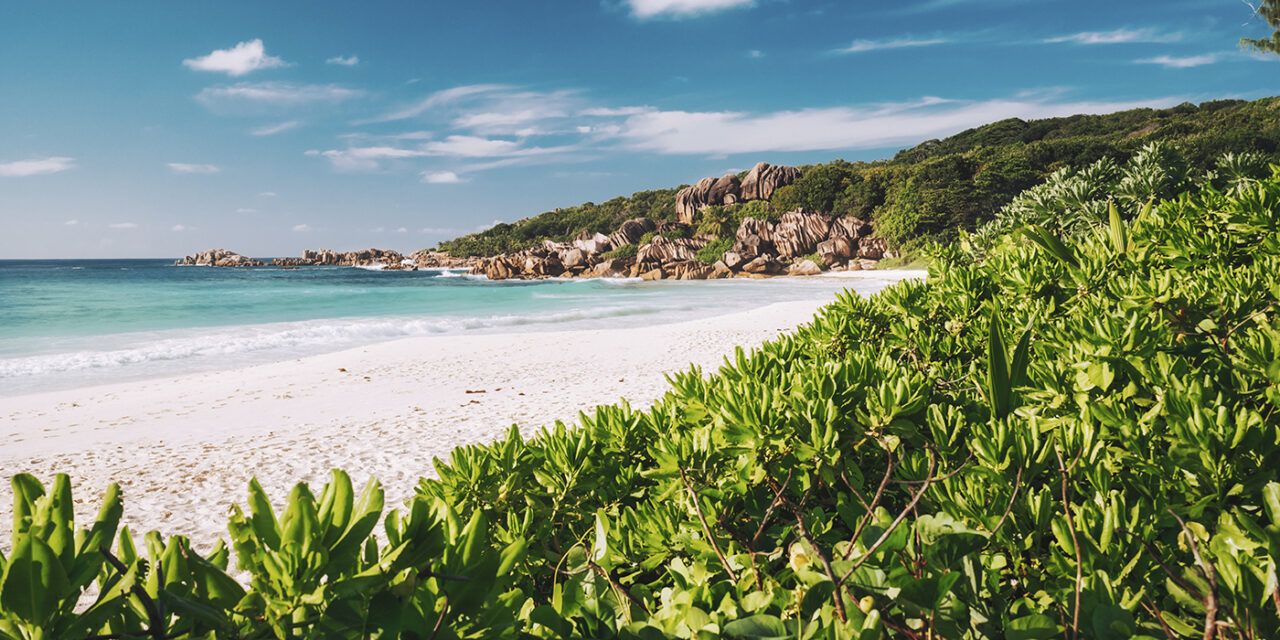
Far from the larger cities of South Australia, Cactus Beach is known for powerful surf, open coastal land, and a feeling of real isolation. The beach lies near Penong on the western side of the state, where reef breaks meet a dry landscape and wide ocean views. People mainly come for surfing and camping, but the place also interests visitors who enjoy quiet scenery, rock pools, and simple outdoor travel.
Where Cactus Beach Is and How to Reach It
Cactus Beach is around 870 kilometers northwest of Adelaide and about 25 kilometers from Penang. Ceduna is farther east and has the nearest larger shops, so visitors usually prepare before leaving the main highway. The final road is unsealed, but normal two–wheel–drive vehicles can often use it when conditions are dry.
The road moves through a very open part of South Australia. This gives the area its special character, but it also means planning matters. Fuel, food, drinking water, and basic supplies should be organized before arrival. Weather can change fast near the Southern Ocean, and strong wind can make the camp and beach less comfortable.
Cactus Beach sits close to Point Sinclair. Sand dunes, low plants, and pale rocky ground shape much of the view. There are no large resorts beside the sand, and the setting stays simple.
A Remote Setting Near Penong
The distance from large towns is one reason Cactus Beach has remained quiet. It is not a place for a quick city beach stop. Most people come as part of a longer road trip or a surf journey across southern Australia. Dunes, reefs, low scrub, and open water take most of the space.
Even when several campers are present, the area can still feel open. Afternoons are especially calm when light moves across the water and the coast becomes softer in color.
Cactus Beach Surfing and Main Reef Breaks
Surfing is the main reason Cactus Beach became widely known. The western–facing coast receives strong swell, while reefs and the shape of the point can help waves arrive cleaner in suitable conditions. The waves break over a calcarenite reef, so this is not a soft, sandy beginner beach. Intermediate and advanced surfers are more suited to the stronger breaks.
Several named surf areas are found around Cactus Beach and Point Sinclair:
- Cactus Left is the best–known left–breaking wave near the main beach
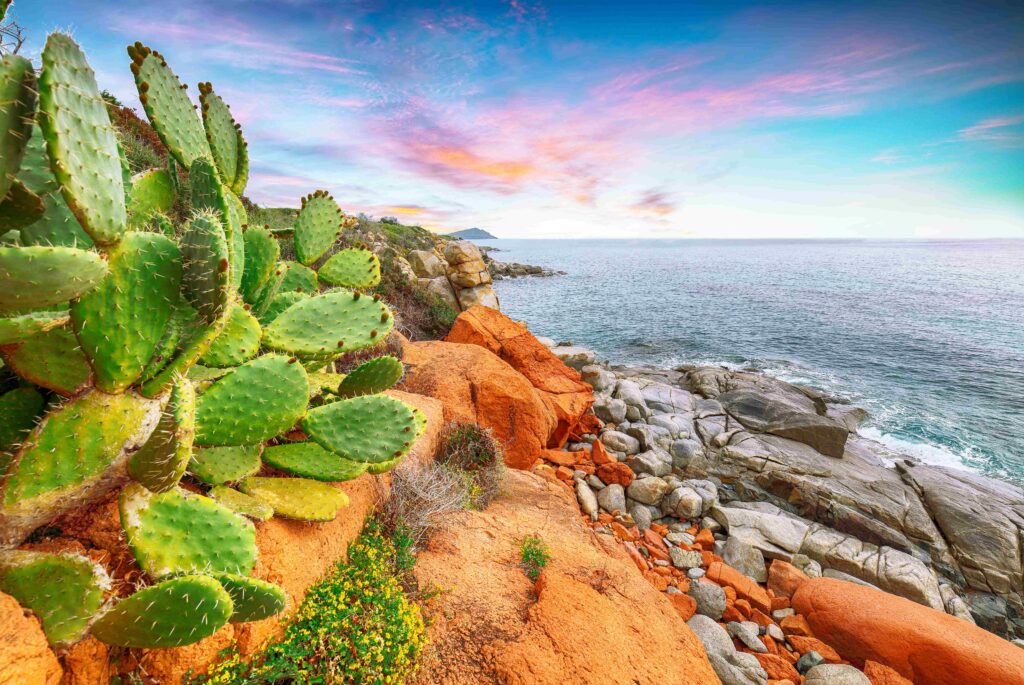
- Castles Right gives a right–breaking option on another part of the reef
- Witzigs, Backdoors, and Cunnings are found around Point Sinclair
- Caves, crushers, and supertubes sit farther around North Castle Bluff
The main cactus wave can form a long line over the reef and carry a surfer toward the beach. Access can sometimes be easier through a channel beside the breaking section, though conditions change and each session needs careful observation. Reef depth, swell size, wind, and current all influence how difficult the water becomes.
Strong rip currents are an important part of the local coast. The beaches are not typical patrolled swimming areas, and swimming can be dangerous. Visitors who are not experienced in moving water should treat the sea carefully and avoid assuming calm–looking water is safe.
Why the Waves Have a Strong Reputation
The shape of the reef is central to the quality of the surf. Swell bends around the coast and meets shallow rock in a way that can create clean, organized walls. When wind and swell work together, the result can be fast and powerful waves with long rides.
The same reef that makes the surf attractive also creates danger. Falling in shallow sections can mean contact with hard rock. Surfers need to watch local conditions, other people in the water, and changing currents. Respect for local surfers is part of the culture here, especially because many visitors return over many years.
Camping at Cactus Beach
Camping is a major part of a visit because there is no large town directly beside the beach. The campground sits among low native shrubs and pale stone, with sites spread through a dry coastal setting. Many places are level, and some have broad views toward the sea and surrounding dunes.
The camp is basic in feeling, but it has useful facilities. Toilets, showers, rubbish collection, a communal kitchen area, and timber paths toward the beach have been available there. Conditions can change with management and season, so travellers should still arrive ready to be independent.
Shade is limited because there are few trees. A strong shelter is useful in warmer weather, and anything outside a tent, camper, or caravan needs to be secured when wind increases. Southern coastal wind can arrive suddenly and turn a calm afternoon into a rough evening.
Camping gives visitors more time to understand the place. Morning can be used to check waves, while later hours are ideal for walking around rock formations and small coves. At sunset, the open western view becomes one of the main natural features.
Other Things to Do Around Cactus Beach
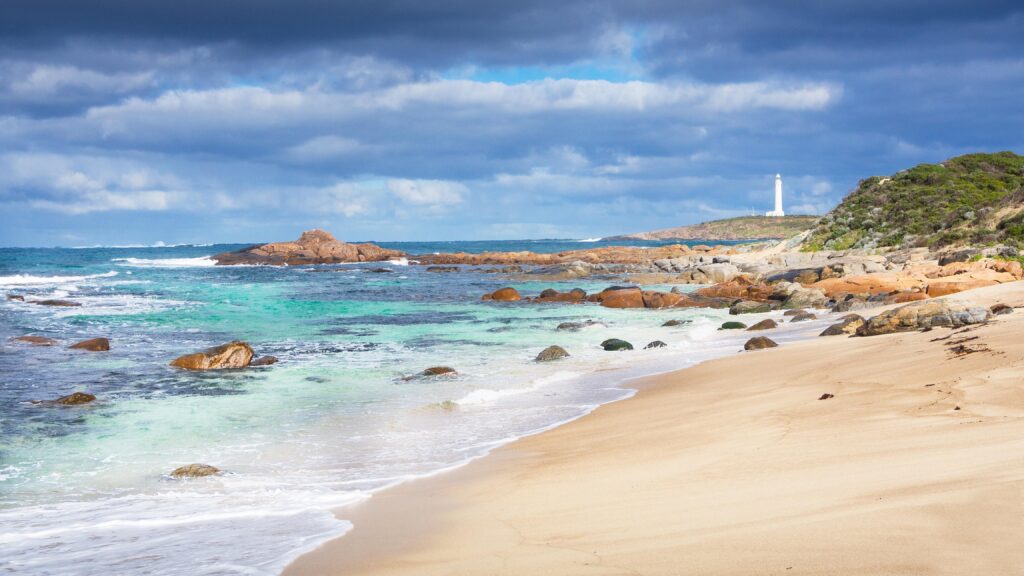
Not every visitor comes only for surfing. Fishing is possible from beaches, rocks, or boat areas, depending on conditions and local rules. The rocky foreshore also has small pools and unusual formations that can be interesting for careful exploring.
Families may find the camp area and sheltered rock pools more suitable than the open surf. Children still need close supervision because the coastline has sharp rock, changing water, and strong currents. Short walks near the dunes can fill time when surf conditions are poor.
Dolphins, seals, and other marine life may appear offshore. Sharks are also part of southern Australian waters, so surfers should understand that ocean activity carries natural hazards.